
Home does not have to be a second classroom. The most effective home learning is often play, curiosity, and conversation. This guide offers ideas that fit into busy lives. It is general parenting information and not a substitute for guidance from your child’s teachers.
Check age labels and supervise play around small parts, magnets, batteries, and chemistry kits.
Follow your child’s curiosity
When a child asks “why,” that is the best moment to learn. Follow the question: look it up together, try a simple experiment, or find a book. Interests like dinosaurs, space, or trucks can lead to reading, math, and science. If a child’s interest fades, that is fine. Curiosity itself is the goal.
Turn routines into learning
- Cooking: measuring teaches fractions, and following a recipe teaches sequencing.
- Shopping: compare prices, count change, and write the list.
- Gardening: observe growth, measure, and record.
- Travel: read maps, calculate times, and talk about places.
- Chores: sort laundry by color, and count socks.
Play games
Board games, card games, and puzzles are natural learning tools. They build math, language, and social skills. See benefits of board games and family game night. Pick games that fit your child’s age and attention span.
Do hands-on projects
Building, experimenting, and making are memorable. Try a kitchen science experiment, build a cardboard city, or build a bridge from craft sticks. Kits can give you ready-made projects. See science kits for kids. Keep projects open-ended, and let the child lead.
Read together
Read aloud, even with older kids. Visit the library, and let children choose books. Talk about the story, ask questions, and connect it to real life. Audiobooks work for car rides.
Keep sessions short
Young children focus for short periods. A 15 to 20 minute activity is plenty. Stop while they are still interested, so they will want to return.
Praise effort
Notice persistence and strategy, not just correct answers. Say, “You tried a new way,” instead of “You are so smart.” This supports a growth mindset, according to many educators, though results vary.
Mix screen and screen-free time
Educational apps and videos can be useful, but balance them with hands-on play. Check content and privacy. Use screens together when you can. Follow guidance from your pediatrician on screen time.
Make a space
A small corner with supplies, books, and a table invites exploration. Keep materials accessible. Rotate toys and kits to keep things fresh.
Be flexible
Some days will be chaotic. That is normal. If a plan is not working, switch. The goal is a positive attitude toward learning.
Connect with others
Join a library program, a museum visit, or a local club. Invite friends over for game day. Learning together is motivating.
Use puzzles and challenges
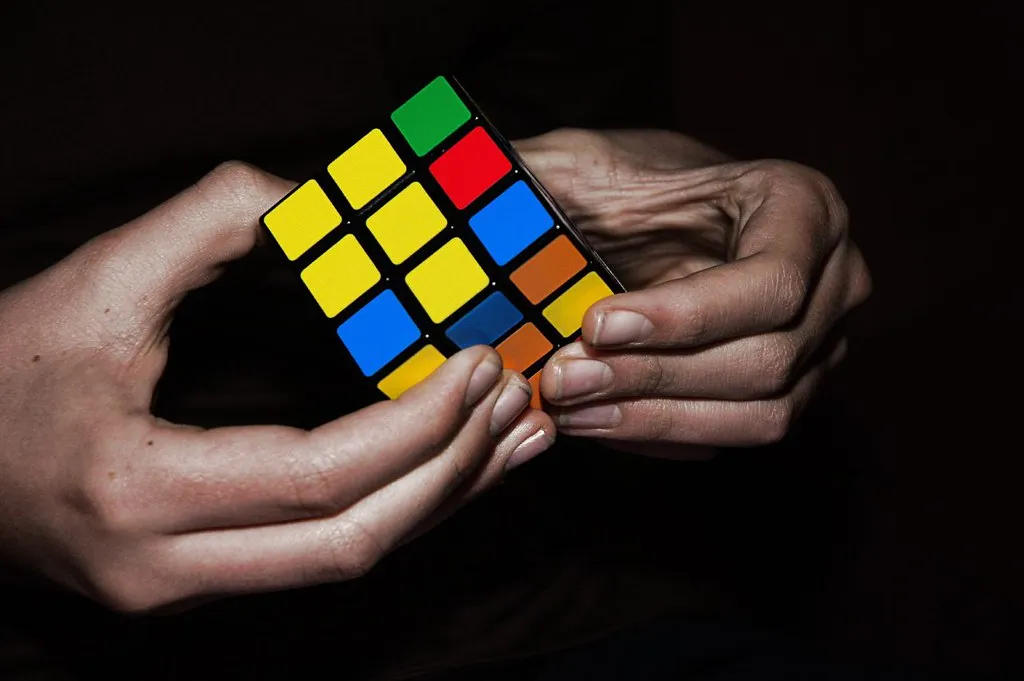
Logic puzzles, cubes, and building challenges stretch thinking. See logic puzzles for kids and how to solve a Rubik’s Cube.
Watch for frustration
If a child is upset, step back. Do something easier, or take a break. Learning should not feel like punishment.
When to get help
If your child struggles with reading, math, or attention in ways that worry you, talk to their teacher or pediatrician. They can recommend evaluations and resources.
Sample weekly rhythm
- Monday: library visit or reading time.
- Wednesday: a hands-on project.
- Friday: game night.
- Weekend: outdoor exploration.
Frequently asked questions
How much time should I spend on this each day? There is no magic number. Short, regular activities of 15 to 30 minutes often work better than a long session. Follow your child’s energy.
What if my child resists? Switch to something they are curious about, make it a game, or offer a choice between two activities. Pressure tends to backfire.
Do I need to buy special materials? No. Cooking, nature walks, library books, and household items give plenty of material. Kits and games are optional extras.
The takeaway
Follow curiosity, use daily life, play games, and keep it light. Our researched top-10 list lists games and kits with links to official pages. See also how to choose a STEM toy.