
A good STEM gift sparks curiosity, and a poor one ends up in a closet. If you are shopping for a birthday or holiday, the best approach is to match the gift to the child, not to a trend. This guide offers ideas by interest, along with practical tips on pairing, wrapping, and avoiding returns.
Check age labels and supervise play around small parts, magnets, batteries, and chemistry kits.
Start with the child’s interests
Ask yourself what the child talks about. Animals, space, cars, music, cooking, art, and sports all have STEM connections. A gift that connects to something they love will get used.
Ideas by interest
- Builders: building bricks, magnetic tiles built to safety standards, and construction kits.
- Scientists: chemistry kits, crystal kits, microscopes, and nature kits. See science kits for kids.
- Coders and robot fans: screen-free coding robots and robotics kits. See robotics kits for beginners.
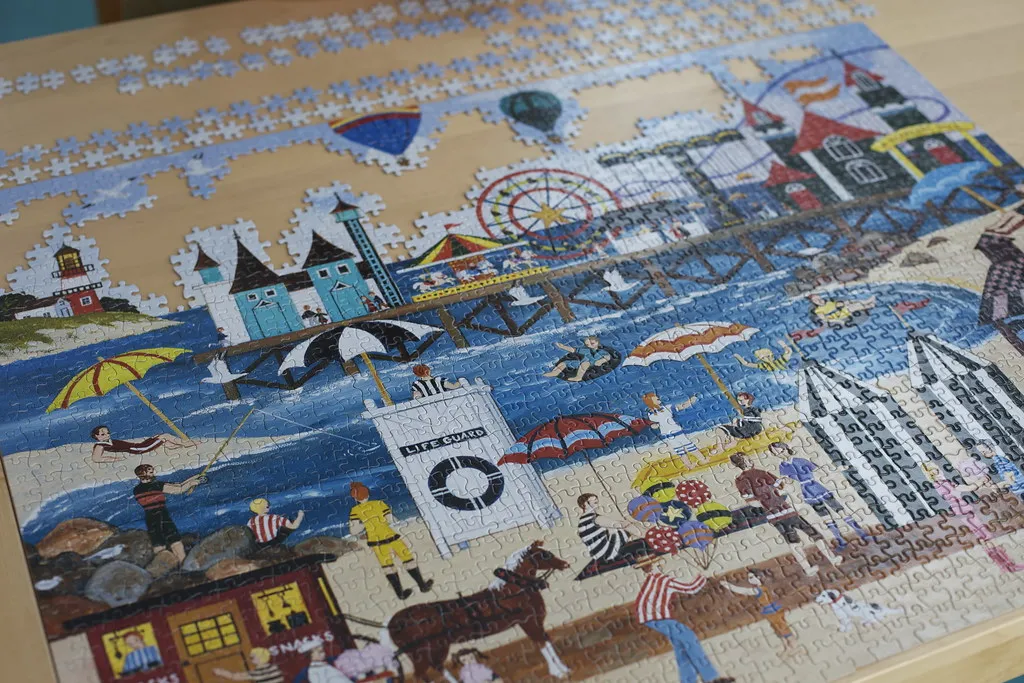
- Puzzlers: logic puzzles, cubes, and jigsaws. See logic puzzles for kids.
- Gamers: strategy board games and family games. See benefits of board games.
- Artists: kits that combine art and engineering.
- Animal lovers: bug viewers and habitat kits.
- Space fans: star maps and model kits.
Gifts that work at many ages
Games like CATAN suit older children and adults, with the publisher listing a recommended age range. Osmo’s Genius Family kit is a hands-on game system that works with a tablet, according to the maker. Thames and Kosmos kits have age labels on each box. Check requirements and ages on the maker pages before buying.
Think about the whole experience
A gift is more than the object. Consider:
- Does it need batteries? Include them.
- Does it need a device? Check compatibility.
- Does it need adult help? Offer a time to do it together.
- Does it need a workspace? Provide a tray or mat.
Pairing a kit with a notebook, a magnifying glass, or a simple tool box makes it feel complete.
Giving the gift of time
A promise to build the kit together can be more valuable than the kit. Schedule a Saturday for it.
Budget ideas
- Under a small budget: a cube, a puzzle, or a classic building toy.
- Mid-range: a science kit or a family board game.
- Larger gifts: robotics kits and larger sets.
Check prices on the maker or retailer pages.
Safety checks
- Follow the age label.
- Check for small parts, magnets, and batteries. See toy safety: small parts, magnets, and batteries.
- Look for recall notices.
Avoid common mistakes
- Buying too advanced. A frustrated child may give up.
- Buying too simple. A bored child may ignore it.
- Ignoring existing toys. Avoid duplicates.
- Forgetting about space. Large kits need room.
- Skipping the receipt. Include a gift receipt.
Check with parents
If you are not a parent, ask for ideas. They know what the child owns and what is appropriate.
Stocking issues
Some items run out of stock or arrive late. Check shipping dates, especially near holidays. Sphero’s indi, for example, was backordered at the time we researched our list, and some items can go in and out of stock.
Frequently asked questions
What if I am not sure what the child has? Ask a parent, or choose something that works in many homes, such as a puzzle, a deck of cards, or an open-ended building set.
Is it better to give one big gift or several small ones? That depends on the child. A big kit may be thrilling, and a few small items may be used more often. Consider both the budget and the storage space.
How do I avoid duplicates? Ask the parent, or include a gift receipt so the family can exchange it.
The takeaway
Match the gift to the child’s interests, check ages and safety, and give time as well as a toy. Our researched top-10 list lists gifts with links to official pages. See also how to choose a STEM toy.